


Stella Lefty’s Grand Ole Opry Debut Sparks Debate Over Who Gets to Be ‘Country’
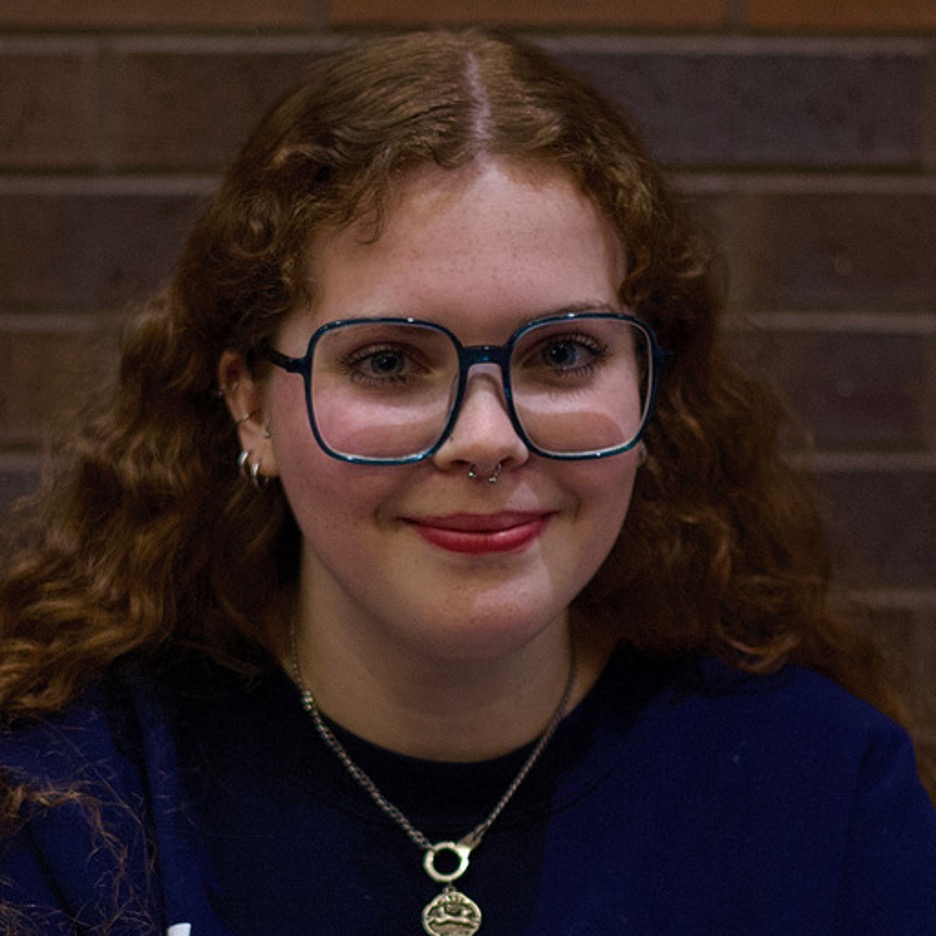
Stella Lefty’s recent Grand Ole Opry debut has sparked a larger conversation about authenticity, privilege and who gets to take one of country music’s most famous stages.
The 24-year-old singer performed at the Opry on Sept. 2, marking another major moment in a breakout year fueled by her viral hit “Boston.” The Opry describes Lefty as a singer-songwriter whose music blends pop sensibilities with country storytelling.

Shortly after her appearance, criticism began circulating online. Some commenters questioned whether Lefty represents the working-class roots often associated with country music, pointing to her background as the daughter of billionaire Tempus AI CEO Eric Lefkofsky.
“Everything about her is just so manufactured,” one user commented.
Others have taken to calling her “Stella Thefty,” with some listeners comparing “Boston” to Noah Kahan’s “Stick Season.” Lefty has faced similar criticism while promoting other songs on social media, including recent accusations that her single “Why Wouldn’t We” sounds similar to Blake Shelton’s “I’ll Name the Dogs.”
The backlash prompted an unusually direct defense from Grammy-nominated artist and Opry member Kelsea Ballerini, who argued that the institution should make room for artists from different backgrounds rather than treating privilege as a disqualifier for participation in country music.
“Yes, the Opry is about honoring the legacies and the people that have inspired both me and her,” Ballerini wrote on Instagram. “But, from different backgrounds and hometowns and generations, we can find ways to say and sing things that resonate with people that fill the seats … and that is always the goal right?”
Ballerini’s response gets at the heart of the debate surrounding Lefty.
Country music has long been rooted in songs about ordinary people, regional identity and lived experience. At the same time, the genre has continually expanded its sound, absorbing influences from pop, rock, folk and other genres while welcoming artists with increasingly different backgrounds and perspectives.
That evolution is playing out at the Grand Ole Opry itself.
During its 100th anniversary year, the institution has emphasized a mix of newcomers, established stars and country legends while continuing to broaden the range of performers who appear on its stage. Non-country acts including Young the Giant and Penelope Road are also scheduled to perform at the Opry later this month.
Lefty’s debut ultimately raises a question country music has wrestled with for generations: Is being “country” defined by where an artist comes from, what they have lived through or simply the music they make?
For Lefty, one night at the Opry has turned that question into one of the latest debates surrounding country music’s next generation.


Comments